

FIFA sacks Kevin Lamour after criticism of Infantino’s World Cup investment plan
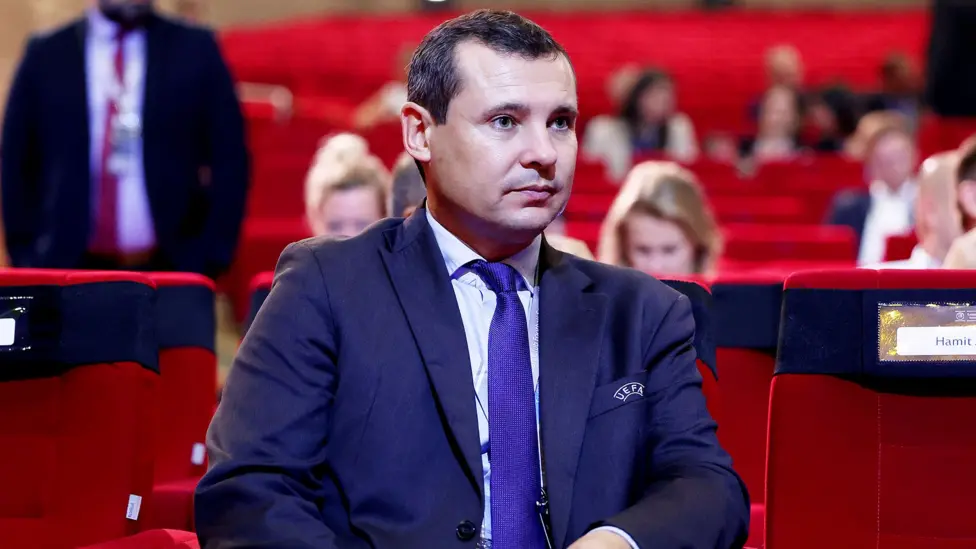
FIFA has dismissed Chief Operating Officer Kevin Lamour after he publicly criticised President Gianni Infantino’s controversial proposal to sell a stake in the World Cup.
Lamour, a longtime ally and close associate of Infantino, was removed from his position after questioning the transparency surrounding discussions about bringing private equity investors into the World Cup, escalating an internal crisis at football’s global governing body.
The French official had expressed strong concerns about the proposal, accusing FIFA of being “deceived” by what he described as a lack of transparency in the process. His comments came at a sensitive moment for Infantino, who is facing growing scrutiny from senior officials and several continental football confederations.
Lamour’s statement followed the resignation of Infantino’s senior adviser, Carlos Cordeiro, who stepped down and called on other senior FIFA officials to speak openly about their concerns. Cordeiro’s departure added to mounting pressure on Infantino over the proposed financial arrangement.
Lamour said he felt compelled to defend colleagues who, in his view, were being placed in a difficult position by the developments within FIFA.
“And if that means I lose my job then so be it,” Lamour said.
“I will understand and respect that decision. At least I’ll sleep well tonight,” he added, signalling that he was prepared to accept the consequences of speaking publicly against the proposal.
His dismissal has therefore intensified questions about the level of internal disagreement within FIFA and whether senior officials feel free to challenge decisions made by the president and his leadership team.
The controversy centres on Infantino’s plan to allow private equity investors to acquire a stake connected to the World Cup. The proposal has raised concerns over transparency, governance and the potential commercial influence of outside investors over one of the most valuable properties in world sport.
The backlash has not been limited to FIFA officials. Last week, UEFA, the Asian Football Confederation and CONCACAF called for a review of Infantino’s conduct following the fallout over the proposal.
The calls for a review represent a significant challenge to Infantino because the three confederations represent large and influential sections of international football. Their concerns have added to pressure on FIFA to provide greater clarity about the proposal and the decision-making process behind it.
Despite the criticism, Infantino continues to receive important political and institutional support.
United States President Donald Trump has warned that FIFA would be making a “terrible mistake” if it removed Infantino from his position. Trump’s intervention has added another dimension to the controversy, particularly because the United States is preparing to host major football events and remains an important market for FIFA.
Infantino has also apologised for the proposal, apparently acknowledging the concerns that have emerged since details of the plan became public. However, the apology has not completely ended the dispute, with questions remaining over how the proposed investment arrangement was developed and communicated.
The FIFA president also retains the backing of the African and South American football confederations, providing him with significant support within the organisation’s wider political structure.
The division over Infantino’s leadership is particularly notable given Lamour’s history with the FIFA president. Lamour was part of Infantino’s inner circle during the campaign that led to Infantino’s surprise victory in the FIFA presidential election in 2016.
His long association with Infantino makes his decision to criticise the proposal particularly significant. Lamour was not an outsider unfamiliar with FIFA’s leadership structure but a senior official who had worked closely with Infantino for years.
Lamour originally entered the football administration world through politics about two decades ago. He worked as an aide to Michel Platini, who was then president of UEFA, before eventually becoming involved in the leadership and administration of international football.
His career therefore gave him extensive experience of the political and administrative workings of football’s governing institutions.
The latest development could further deepen concerns about governance within FIFA, particularly as the organisation attempts to balance commercial opportunities with demands for transparency and accountability.
The proposed involvement of private equity investors has raised broader questions about whether FIFA should allow external financial interests to gain a stake in major football competitions and how such arrangements could affect the organisation’s independence.
About The Author

 Queiroz defends results-driven football ahead of AFCON qualifiers
  UNGA81: Maternal and Child Health is our ‘first critical test’ – Mahama
  GFA launches 2026/27 colts season with over 850 active teams
  Cameroon defeat Malawi to win maiden Women’s Africa Cup of Nations title
  BoG to introduce new Ghana Cedi notes in November
  UNGA81: Ghana will push for stronger African voice under AU Chairmanship – Mahama
  UNGA81: Ghana has achieved a ‘dramatic economic turnaround’ – Mahama
  UNGA81: ‘No race Is superior; no nation Is inferior’ – Mahama