

Ghana’s inflation hits 5.2% in September 2026
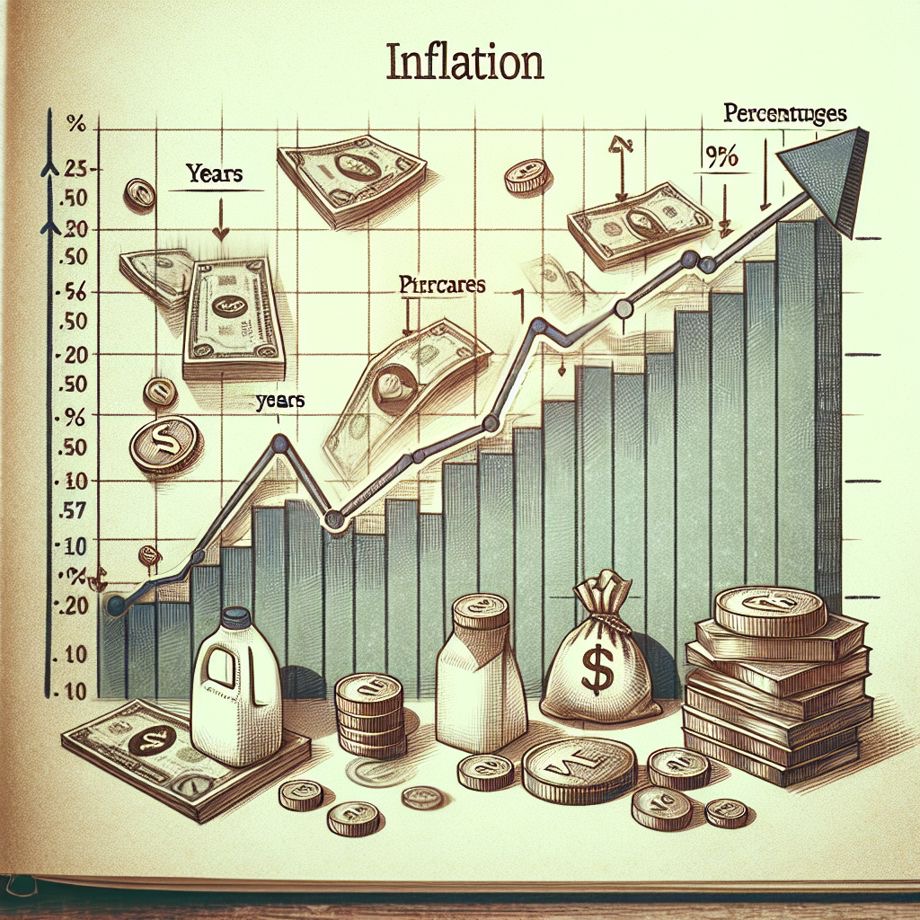
Ghana’s annual inflation rate increased to 5.2% in September 2026, marking the sixth consecutive month of upward movement since inflation hit a low of 3.2% in March.
The latest figure, released by the Ghana Statistical Service (GSS), is 0.2 percentage points higher than the 5.0% recorded in August 2026.
The increase came after prices rose by 1.1% between August and September, according to the September Consumer Price Index report.
Even with the latest rise, inflation remains significantly below its level a year ago. The September 2026 rate is 4.2 percentage points lower than the 9.4% recorded in September 2025.
The latest data also show a growing divergence between food, non-food items and services.
Food inflation increased from 3.0% in August to 4.0% in September, putting renewed pressure on household food costs.
Non-food inflation, meanwhile, declined from 6.8% to 6.2% during the same period.
Services remained the biggest source of price pressure among the major categories. Inflation for services stood at 8.3%, compared with 4.2% for goods.
The GSS said locally produced items are also contributing more to overall inflation than imported products.
Inflation for locally produced items stood at 6.4%, while imported items recorded a much lower rate of 2.4%.

The Service described the trend as increasingly driven by domestic conditions.
“Inflation is now a home-grown, services story,” the GSS said, adding that “imported goods are the slowest-rising part of the basket, at just 2.4%.”
The data show that locally produced items accounted for 85.7% of overall inflation, while services continued to exert persistent pressure on prices.
“Services are the last hurdle,” the GSS said, describing services inflation of 8.3% as “the main risk to further disinflation.”
Food prices also presented sharply contrasting trends in September.
Fresh tomatoes recorded the biggest year-on-year increase among the highlighted food products, with prices surging by 153.4%.
Ginger prices rose by 100.4%, while shrimps recorded an increase of 62.8%.
Other food items moved in the opposite direction. Prices of lime fell by 29.9%, maize declined by 26.4%, Bambara beans dropped by 21.7%, and local rice decreased by 15.6%.
The GSS said these differences demonstrate how the national inflation figure can mask significant variations in individual household experiences.
“One rate, many realities: fresh tomatoes jumped 153.4% while lime fell 29.9% – the 5.2% average hides very different market experiences,” the Service said.
Food and beverages remained the largest contributor to the overall inflation rate, accounting for 36.7%.
Housing, water and energy was the second-largest contributor, with 25.6%.
The inflation trajectory has changed considerably since the start of the year. After falling from 9.4% in September 2025 to 3.2% in March 2026, inflation has risen gradually in the months since.
The Consumer Price Index also increased over the year, reaching 271.5 in September 2026, compared with 258.0 in September 2025.
For the September calculation, the GSS collected price data from 8,337 outlets across 57 markets in all 16 regions.
The exercise covered 307 goods and services.
The GSS said the CPI remains a key economic measure because its movements influence decisions by households, businesses and policymakers.
It is used in areas including wage negotiations, monetary policy, government budgeting and investment decisions.

About The Author

 GoldBod sets US$1.2bn forex target after generating US$1.011bn in October
 Public sector workers secure 9% remuneration increase in 2027, 10% base pay rise in 2028
 Tema Oil Refinery creates 1,657 jobs, engages over 6,500 workers – Edmond Kombat
 GRA apologises to Say Cheers over misleading tax claims
 Crude Oil rises to $126.73 despite falling global petrol and diesel prices
 New dawn, new era for NDC Youth wing in Volta – Kwame Asiemoah declares in victory message
 Hamile restrictions without defined timeline could heighten tensions – FOSDA
 FOSDA calls for immediate lifting of Hamile curfew, speedy investigation and restoration of livelihoods