

Ghana to end raw mineral exports by 2030 – Mahama
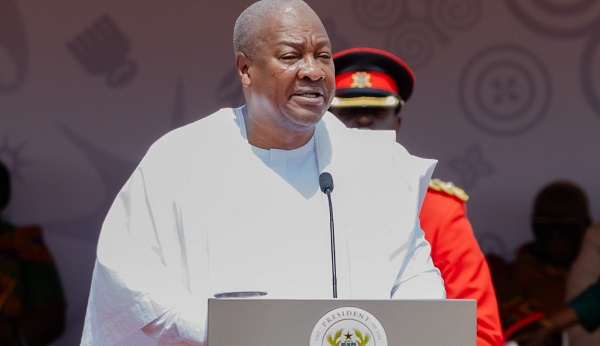
President John Dramani Mahama has set 2030 as the target year for ending the export of unprocessed mineral ores, as Ghana seeks to expand local processing, accelerate industrialisation and retain more economic value from its mineral resources.
Speaking at the Mining in Motion Conference on Monday, October 19, 2026, the President said the government would introduce a phased prohibition on raw mineral exports, covering commodities such as bauxite, manganese, iron and lithium.
“I’ve set a clear goal that by 2030, raw mineral ores should no longer leave our shores. Our bauxite, manganese, iron, lithium, and other minerals must support processing and industrial development here at home,” he stated.
President Mahama said the policy would be implemented through legislation, mineral-specific regulations and clearly defined timelines to guide the transition towards domestic processing.
He stressed that Ghana must move beyond extracting minerals and exporting them in their raw form, arguing that processing more of these resources locally would create opportunities for industrial growth, attract investment and strengthen the economy.
Under the proposed measures, investors seeking to exploit Ghana’s mineral resources would be required to meet specific processing obligations. The requirements are intended to ensure that more value is added locally before the minerals are exported to international markets.
The President also pointed to existing restrictions on the export of iron scrap and non-ferrous metals as part of efforts to promote domestic resource utilisation and support local industries.
“We will pursue a phased prohibition on exports of unprocessed ores, supported by the necessary legal measures, mineral-specific requirements, and transparent implementation timetables,” he said, stressing that investors must meet the processing obligations attached to access to Ghana’s mineral resources.
The proposed policy is expected to strengthen Ghana’s mineral processing industry, encourage investment in mineral-based manufacturing and increase the economic returns from the country’s natural resources.
If implemented as outlined, the 2030 target would mark a significant shift in Ghana’s mineral export policy, placing greater emphasis on local value addition and industrial development rather than the export of raw materials.

📊 Stakeholder Guidance & Contextual Analysis
As developments continue regarding Ghana to end raw mineral exports by 2030 – Mahama, educational stakeholders and school administrators are advised to follow official guidelines.
Frequently Asked Questions (FAQ)
Q: Where can educational updates be verified?
A: Notices can be verified through official Ministry releases and accredited educational portals.

About The Author

 Ablakwa secures Norway’s backing for Ghana’s 2027 AU leadership
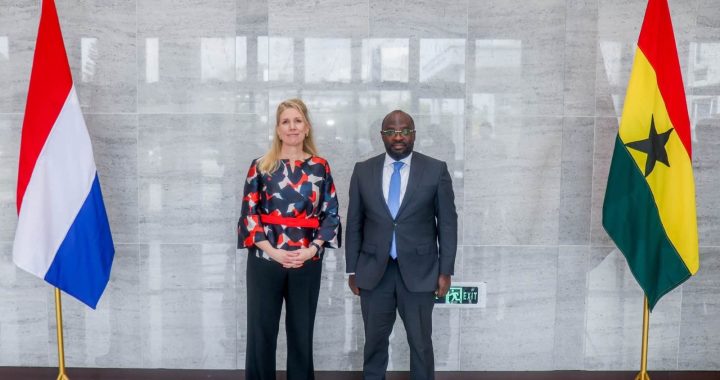 Ghana and Netherlands seek stronger ties in agriculture, security and diplomacy
 We must win the hearts of our people’ – Dzifa Tegah on NDC grassroots confidence
 Wontumi seeks settlement of EXIM Bank case with GH¢25m offer
 Ghana to restrict raw cashew exports for first three months of harvesting season
 Mahama promises additional funding to sustain Nadkansco factory operations
 GoldBod partners Ghana Armed Forces to restore 50 hectares in Tano-Nimiri Forest
 COP31: Ghana pushes local processing of Africa’s critical minerals